Vizitați Lyon cu un ghid turistic profesionist.
Lyon este situat la confluența râurilor Ron și Saône. Locuitorii săi se numesc Lyonnais.

Orașul este o răscruce geografică în țară, situat la nord de culoarul Ronului care se întinde de la Lyon până la Marsilia. Poziționat între Masivul Central la vest și masivul Alpin la est, Lyon ocupă o locație strategică pentru transportul nord-sud în Europa. Ca fostă capitală a Galiei în timpul Imperiului Roman, este sediul unei arhiepiscopii al cărei titular poartă titlul de Primat al Galiei. Lyon a devenit un oraș comercial plin de viață și un important centru financiar în timpul Renașterii. Prosperitatea sa economică era condusă la acea vreme de producția de mătase, imprimare, iar mai târziu prin apariţia industriilor, în special textile, chimicale, si mai nou, industria imaginii.

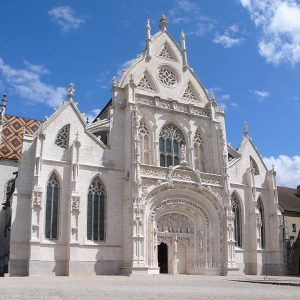

Din punct de vedere istoric, Lyon a fost un oraș industrial. The downstream Rhône valley, south of the urban area, is home to numerous petrochemical activities, in what is known as the “Chemical Valley.” After the decline and closure of the textile industries, Lyon gradually refocused on high-tech sectors, such as pharmaceuticals and biotechnology. It is also the second-largest student city in France, with four universities and several prestigious schools. Additionally, the city has preserved significant architectural heritage spanning from Roman times to the 20th century, including the districts of Vieux Lyon, Fourvière Hill, the Presqu’île, and the slopes of Croix-Rousse, which are inscribed on the UNESCO World Heritage List.

The ancient city of Lugdunum is composed of two Gaulish words: Lug, a Celtic god associated with order and justice, and dunos, meaning “fortress” or “hill.” Together, they signify “the fortress of Lug.” Lug is a Celtic god whose messenger is a raven or crow. Thus, Lugdunum can be translated as “the hill of the god Lug” or “the hill of the crows.”
Originally, Lugdunum referred to the Fourvière Hill on which the ancient city of Lyon was founded.
Lower down, in the present-day district of Saint-Vincent, stood the Gaulish village of Condate, likely a simple settlement of rivermen or fishermen living along the banks of the Saône River. Condate is a Gaulish word meaning “confluence,” which gave its name to the Confluence neighborhood.
During Roman times, the city was called Caput Galliae, meaning “capital of Gaul.” As a legacy of this prestigious title, the Archbishop of Lyon is still referred to as the Primate of Gaul.
During the revolutionary period, Lyon was temporarily named Commune-Affranchie on October 12, 1793, by a decree of the National Convention. in orice caz, it resumed its original name in 1794 after the end of the Reign of Terror.
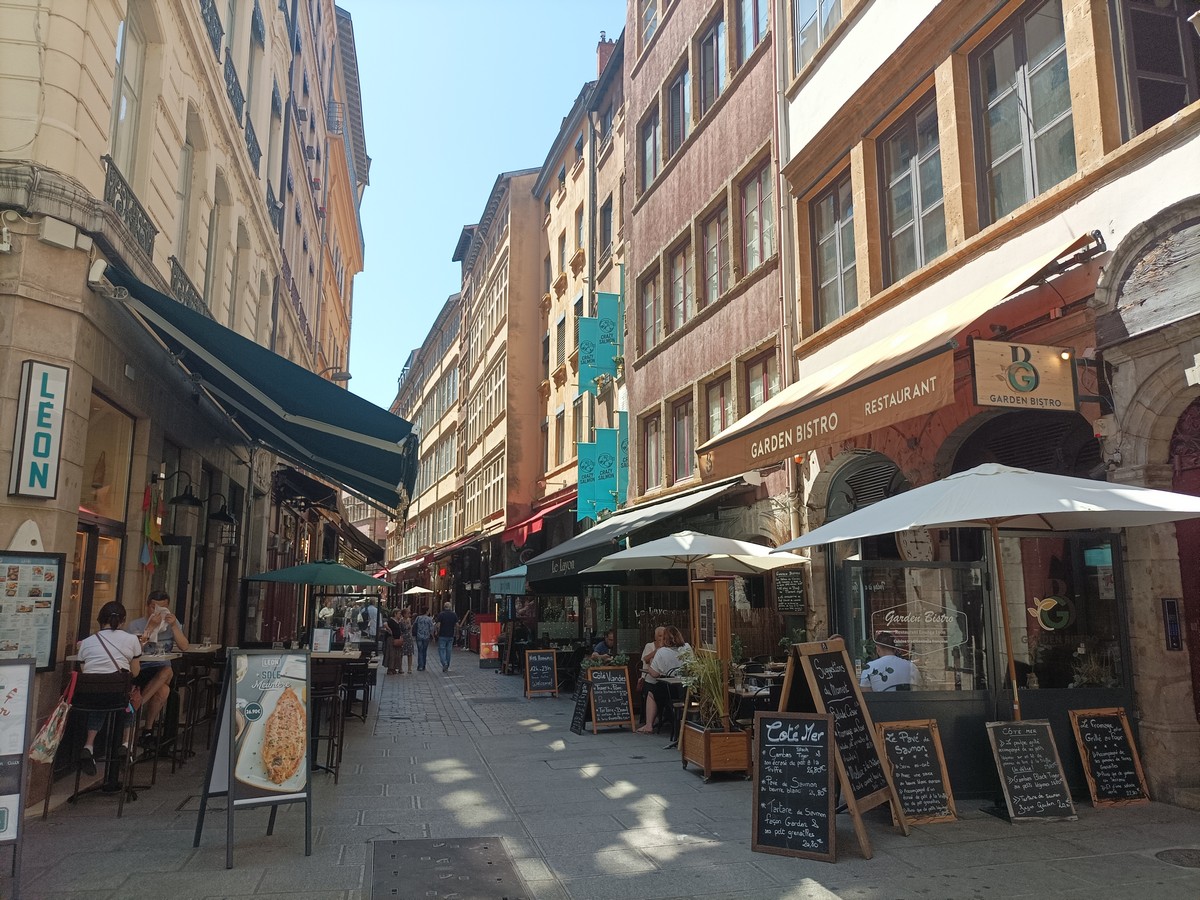
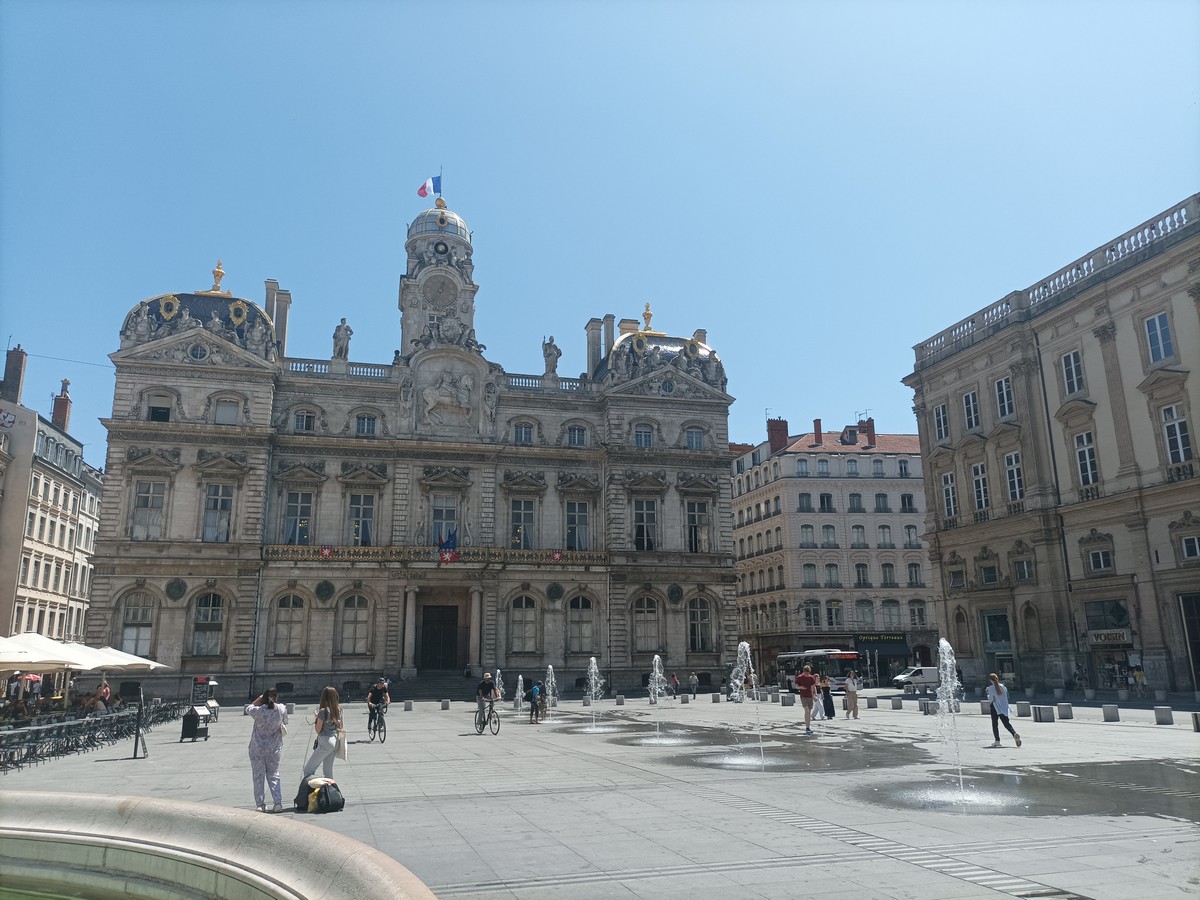
While the area has been inhabited since prehistoric times, the first city of Lugdunum was founded in 43 BC. Under the Roman Empire, Lyon became a powerful city and the capital of Roman Gaul. The decline of the Roman Empire relegated Lyon to a secondary role in the European landscape due to its distance from centers of power. Later, during the division of the Carolingian Empire, Lyon found itself as a frontier city. Until the 14th century, political power was concentrated in the hands of the archbishop, who fiercely protected the autonomy of the city. It was not until 1312-1320 that the consular institution began to balance the archbishop’s power, coinciding with Lyon’s definitive integration into the Kingdom of France.
During the Renaissance, Lyon experienced significant development and became a major European trading city. in orice caz, this second golden age was interrupted by the Wars of Religion. Under absolute monarchy, Lyon remained a mid-sized French city, with its primary wealth derived from the silk industry. The French Revolution devastated the city, which opposed the Convention in 1793. Lyon was militarily captured and severely repressed, emerging from the revolutionary turmoil greatly weakened.
Vizitați Lyon cu un ghid turistic profesionist.

Napoleon contributed to Lyon’s recovery by supporting the silk industry, coinciding with the development of the Jacquard loom. This marked the beginning of an economic and industrial boom that lasted until World War I. During the 19th century, Lyon was known as a city of canuts (silk weavers) and witnessed violent worker uprisings in 1831 and 1834. The Belle Époque period marked the end of Lyon’s silk dominance and the rise of various other industries such as automobiles, chimicale, and electricity. The municipal government regained its powers with the Third Republic and embarked on a century of radicalism, which culminated with Édouard Herriot in 1957. During World War II, Lyon, as one of the major cities in the Free Zone, became a center for resistance networks. Notably, Jean Moulin unified them under the United Movements of the Resistance.
After the war, Lyon quickly recovered and experienced vigorous urban development, with the construction of numerous residential neighborhoods. With strong industries and a thriving tertiary sector, the city established itself as a major French and European metropolis.
Visit Lyon with a professional guide and get the best experience of the destination
Lyon was founded under the Roman empire in the 1st century BC. It is the 3rd city of France with around 1 million inhabitants. Two main rivers cross the city : Saone and Rhone. The old town is part of Unesco World Heritage. Lyon is also famous for being the world capital of gastronomy.
Here you can find the best things to do in the city.
Vizitează Lyon : Fourvière hill and the Roman heritage
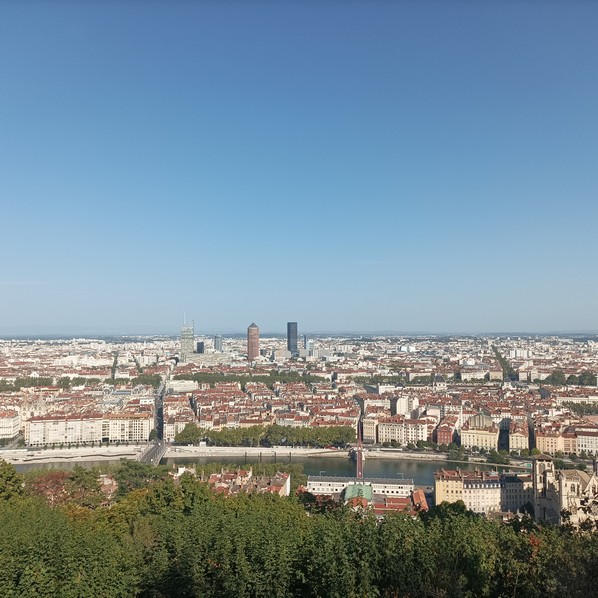

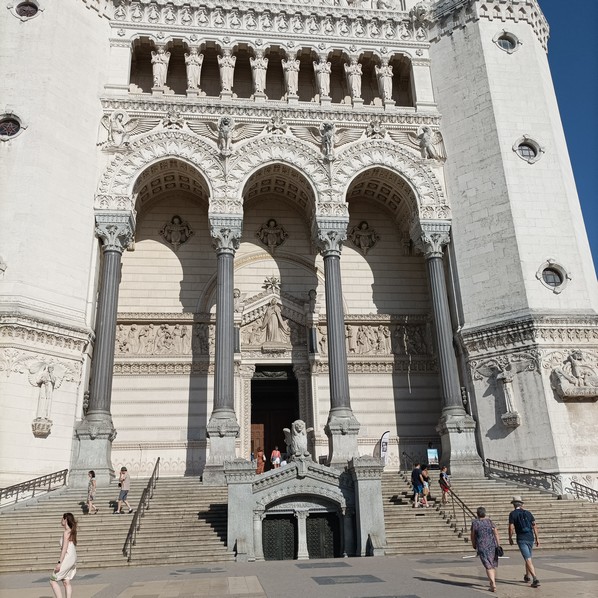
The symbol of Lyon is the basilica Notre Dame de Fourvière dominating the city from the top of the hill. As well as in Paris or Marseille this basilica was built in the 19th century using a byzantine architecture. It offers a magnificent view over the entire city.
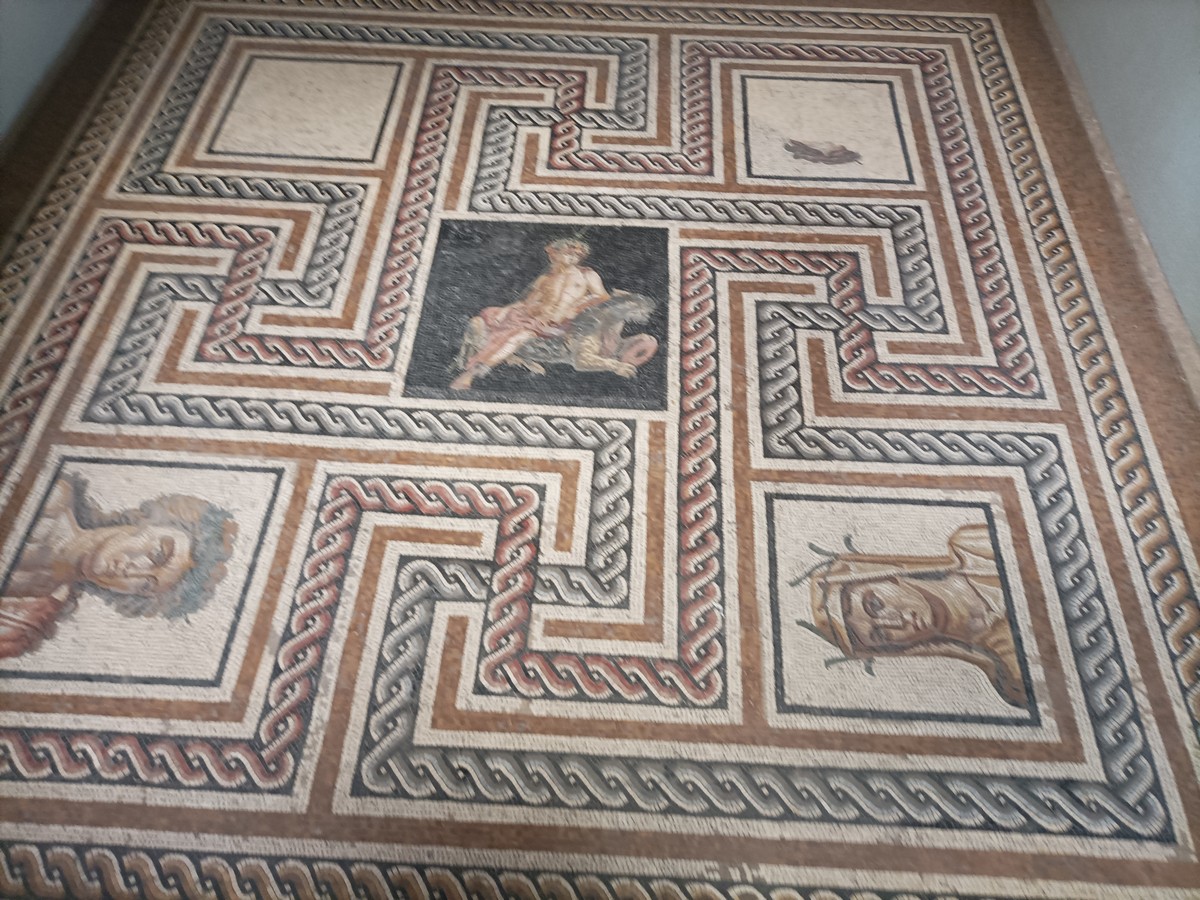
Next to the basilica are the remains of the Roman city and its main building such as the theater. All this area is Unesco World Heritage.
Food tasting in Lyon

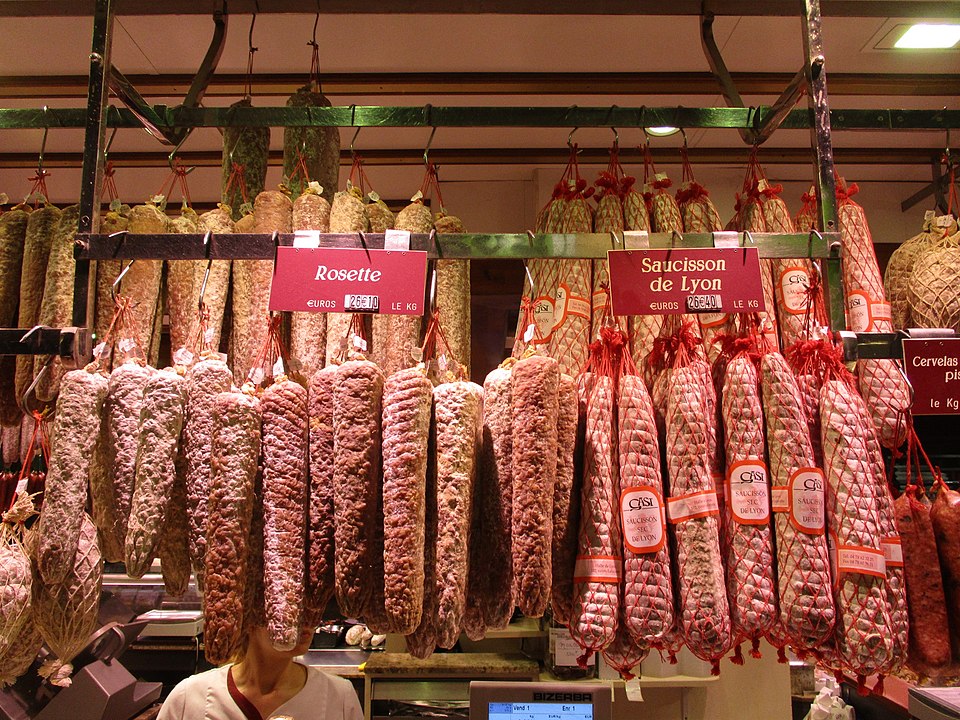

French gastronomy owes a lot to Lyon and its emblematic chef Paul Bocuse. Joining a local guide for a food tour is a perfect way to understand the city through its gastronomy. You will discover specialties such as Paté en croute, Quenelles or Tarte à la Praline.
Visit the Old Lyon


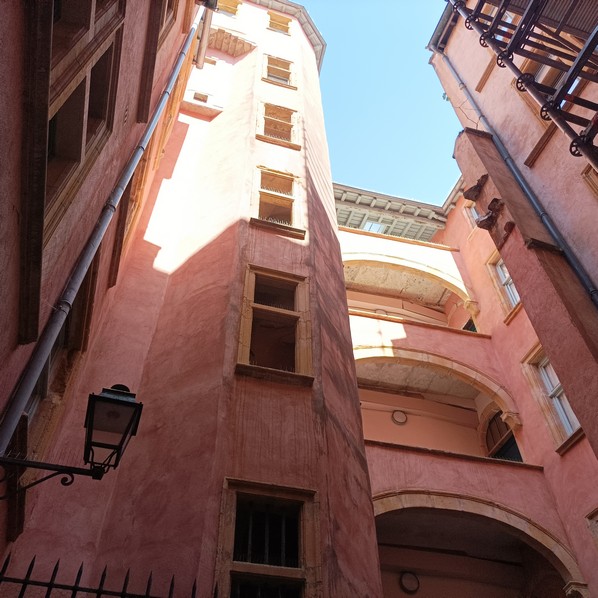
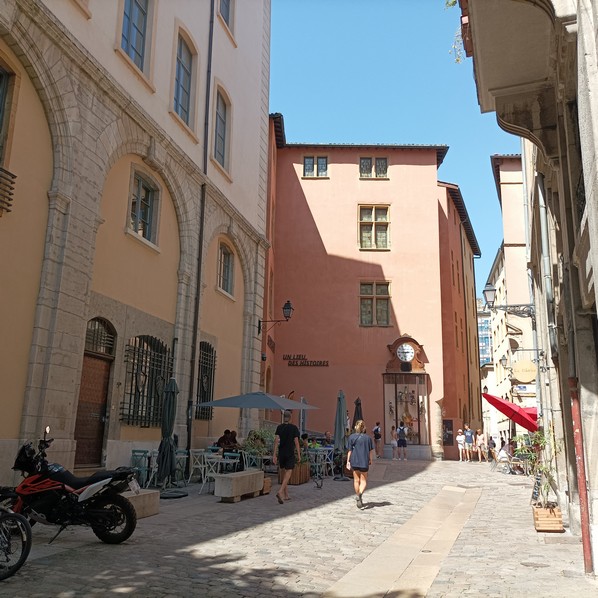
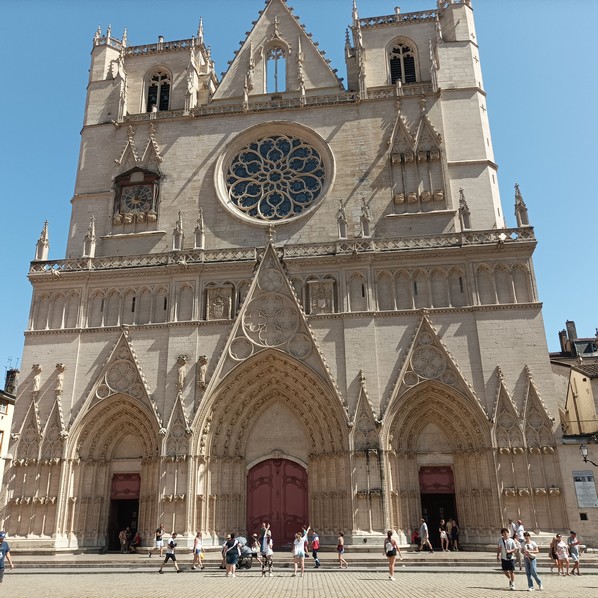
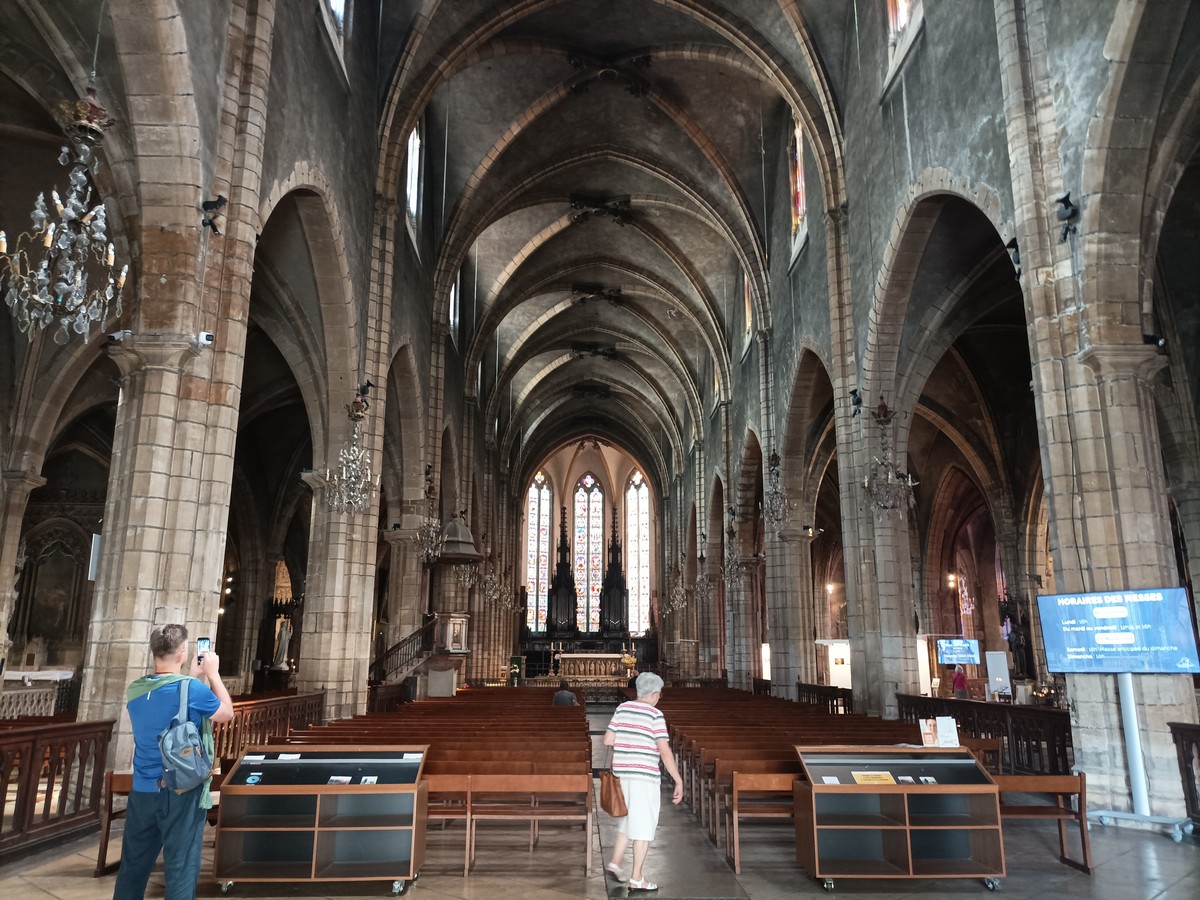
The Old Lyon is listed on Unesco heritage. It is considered as the most real medieval neighborhood in France. Este plin de străzi înguste și pasaje acoperite folosite pentru a evada în Evul Mediu. Catedrala Saint-Jean din centrul vechiului Lyon este simbolul conflictelor dintre catolici și protestanți.
Mătasea din Lyon
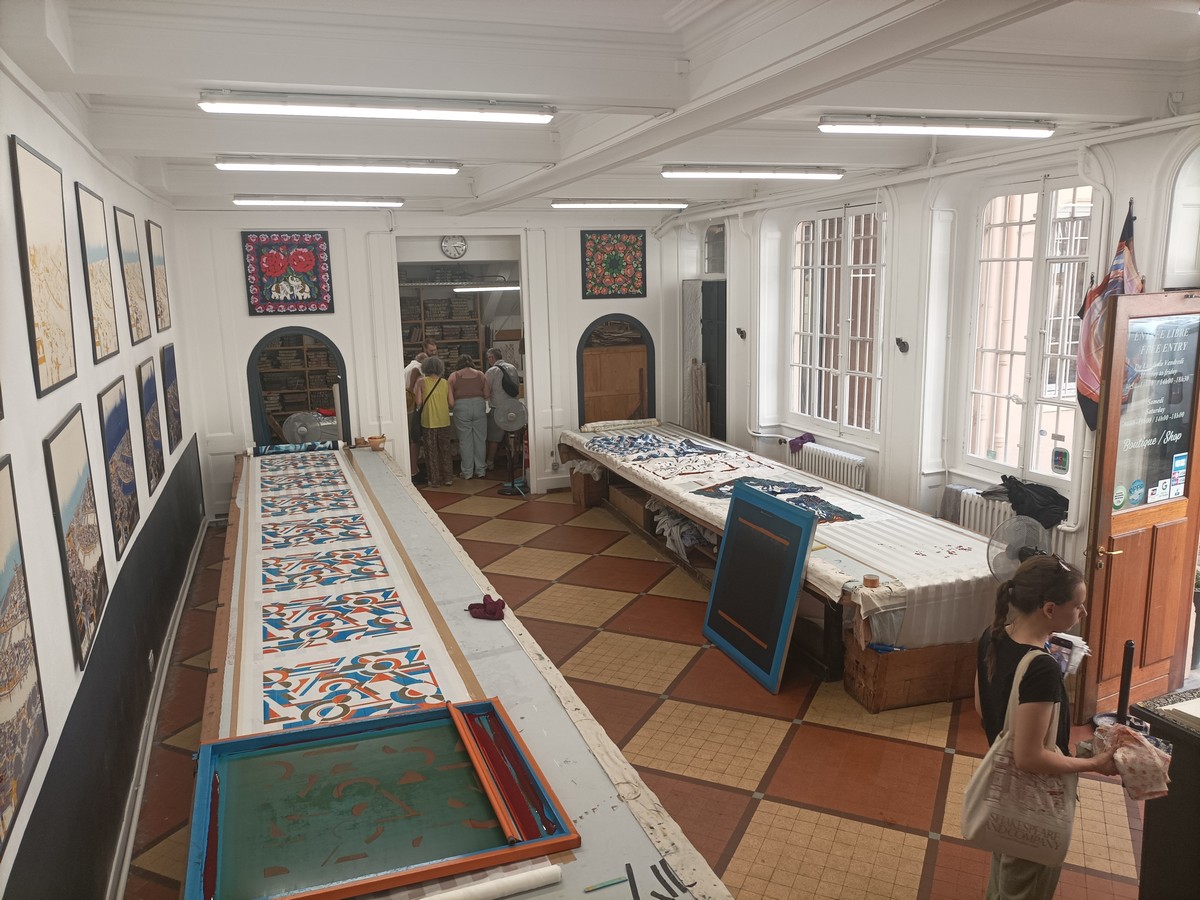
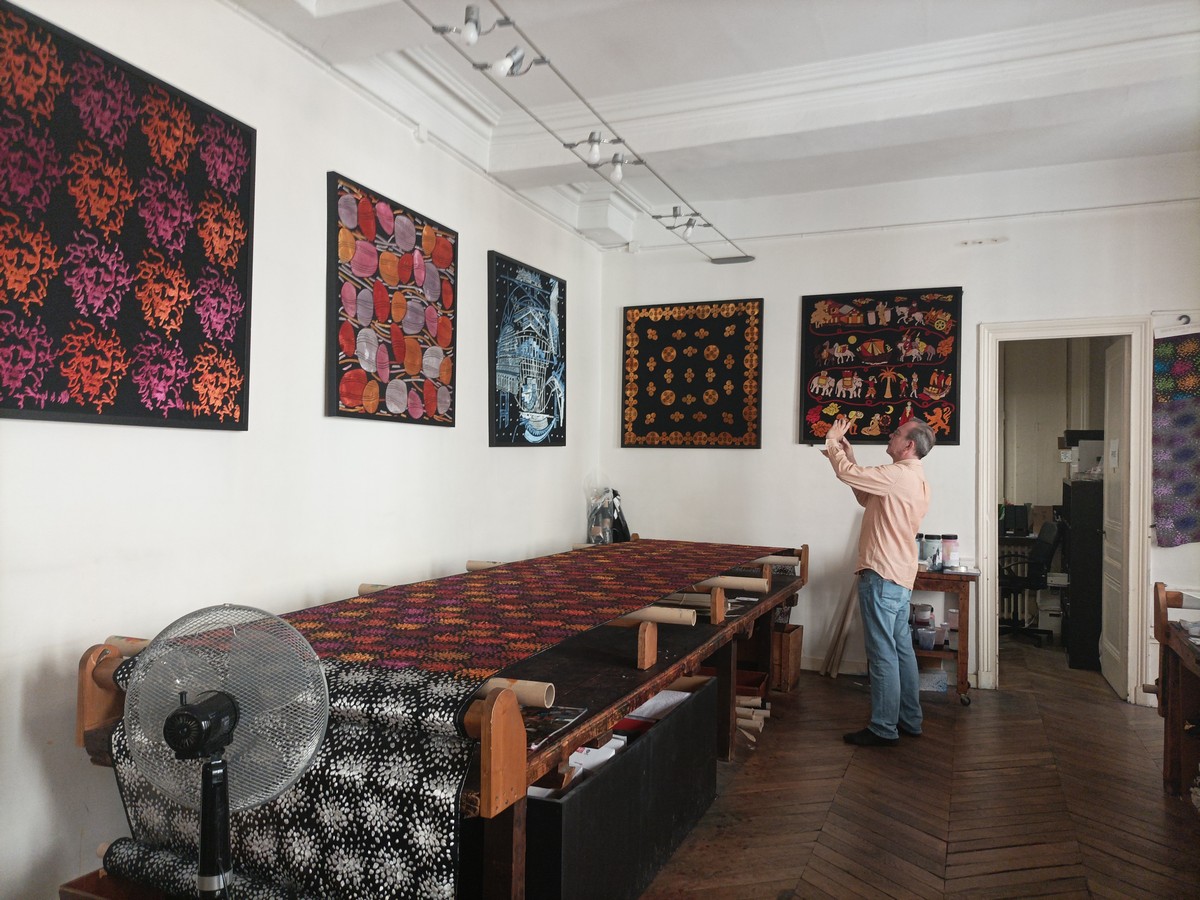
În secolul al XIX-lea, Lyon și-a bazat bogăția pe mătase. În cartierul Croix Rousse, mătasea este încă prelucrată în același mod de aceleași familii. Vizitați un atelier de mătase cu un ghid privat pentru a atinge acele țesături incredibile și pentru a cumpăra cea mai bună calitate la cel mai bun preț.
Vizitați Lyon în secolul al XIX-lea

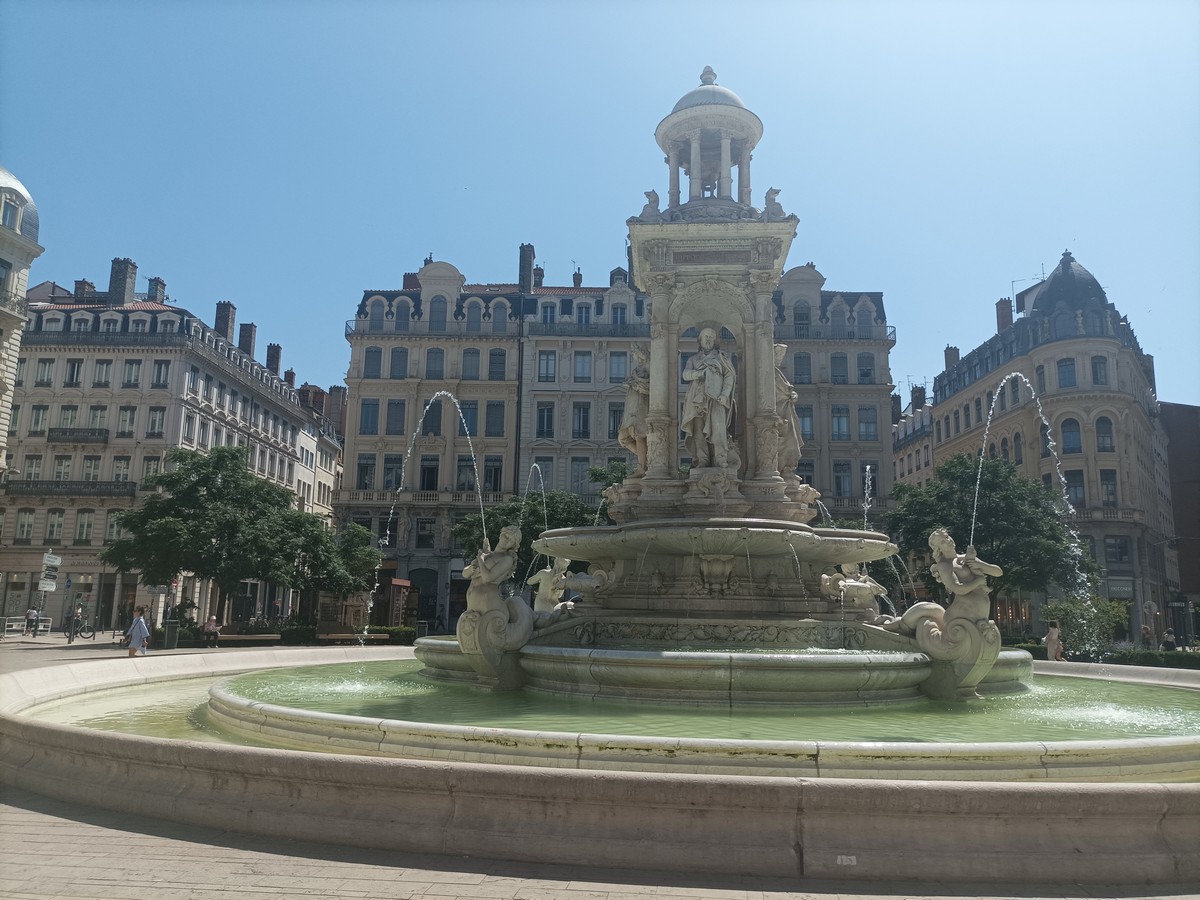
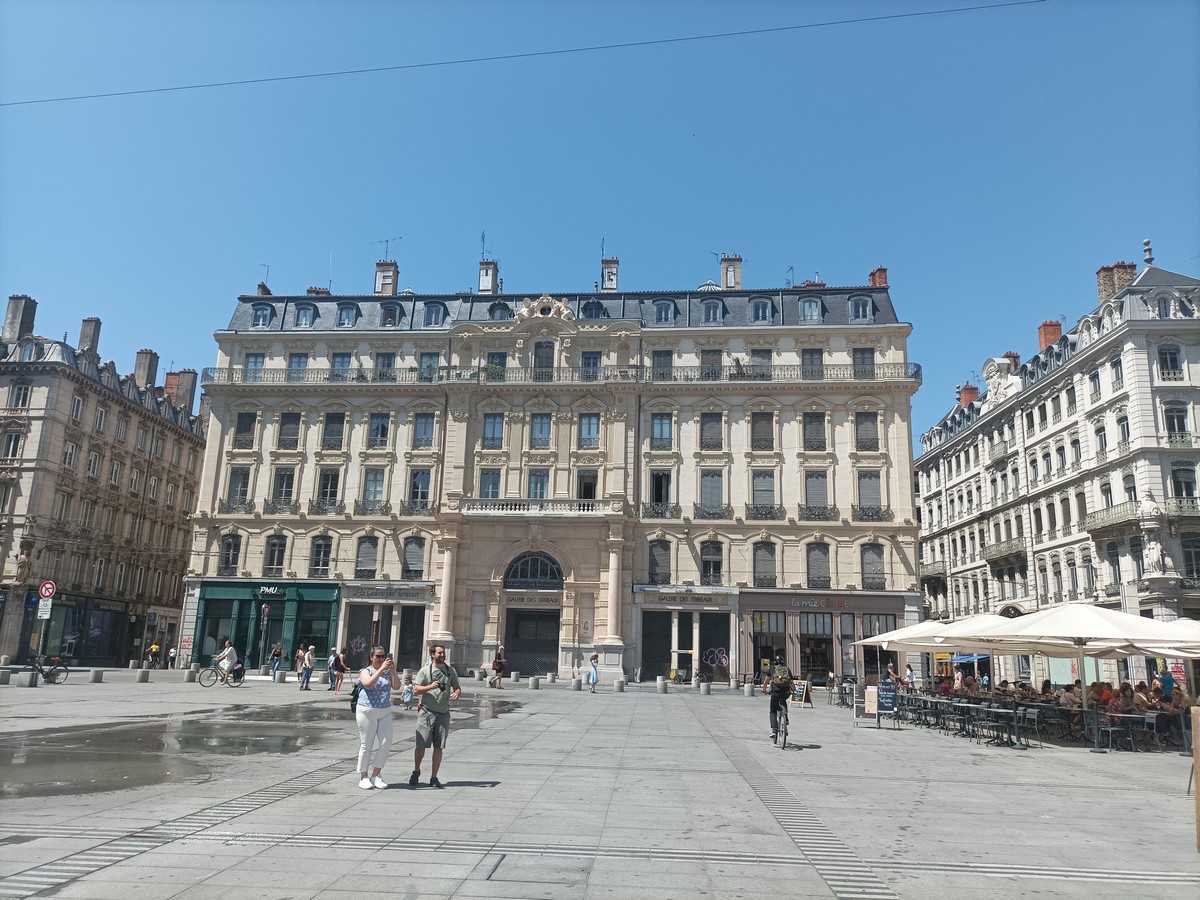
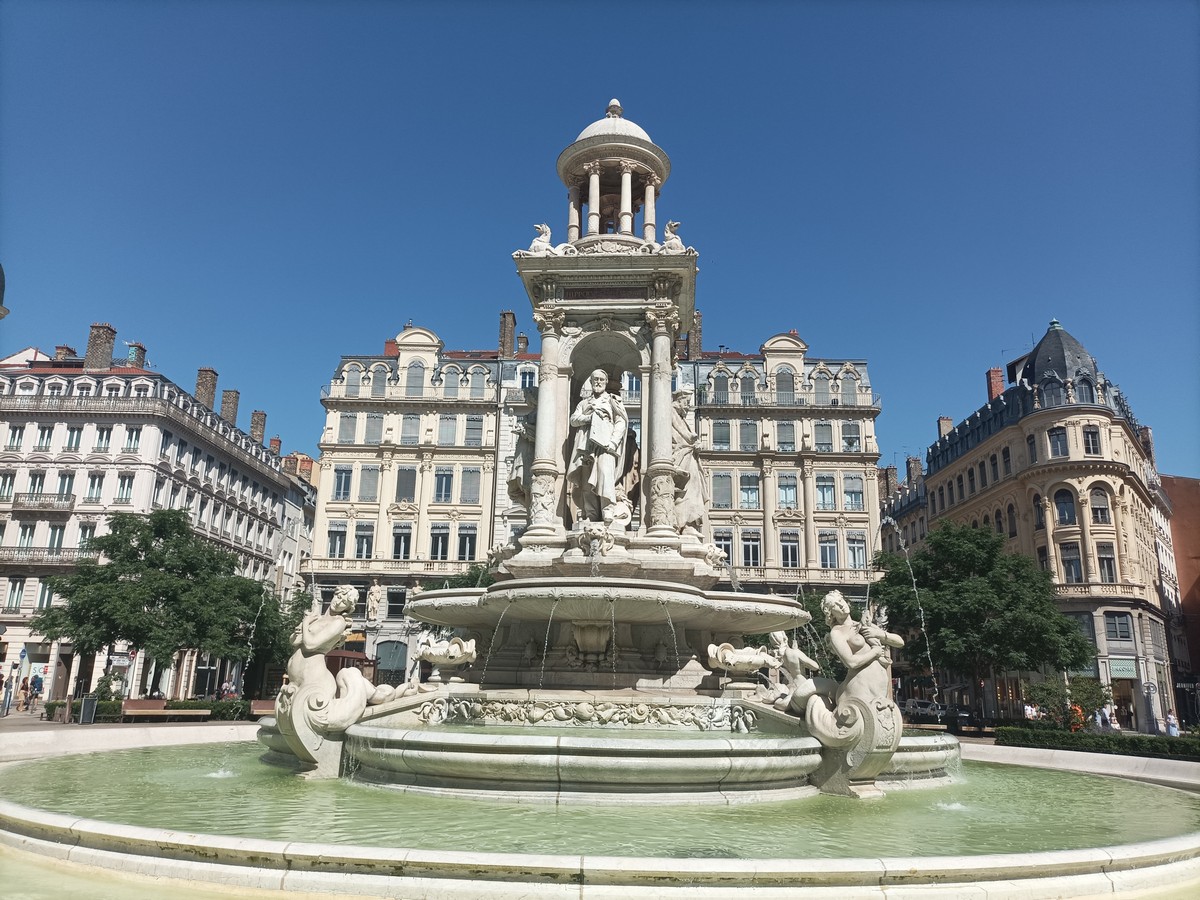
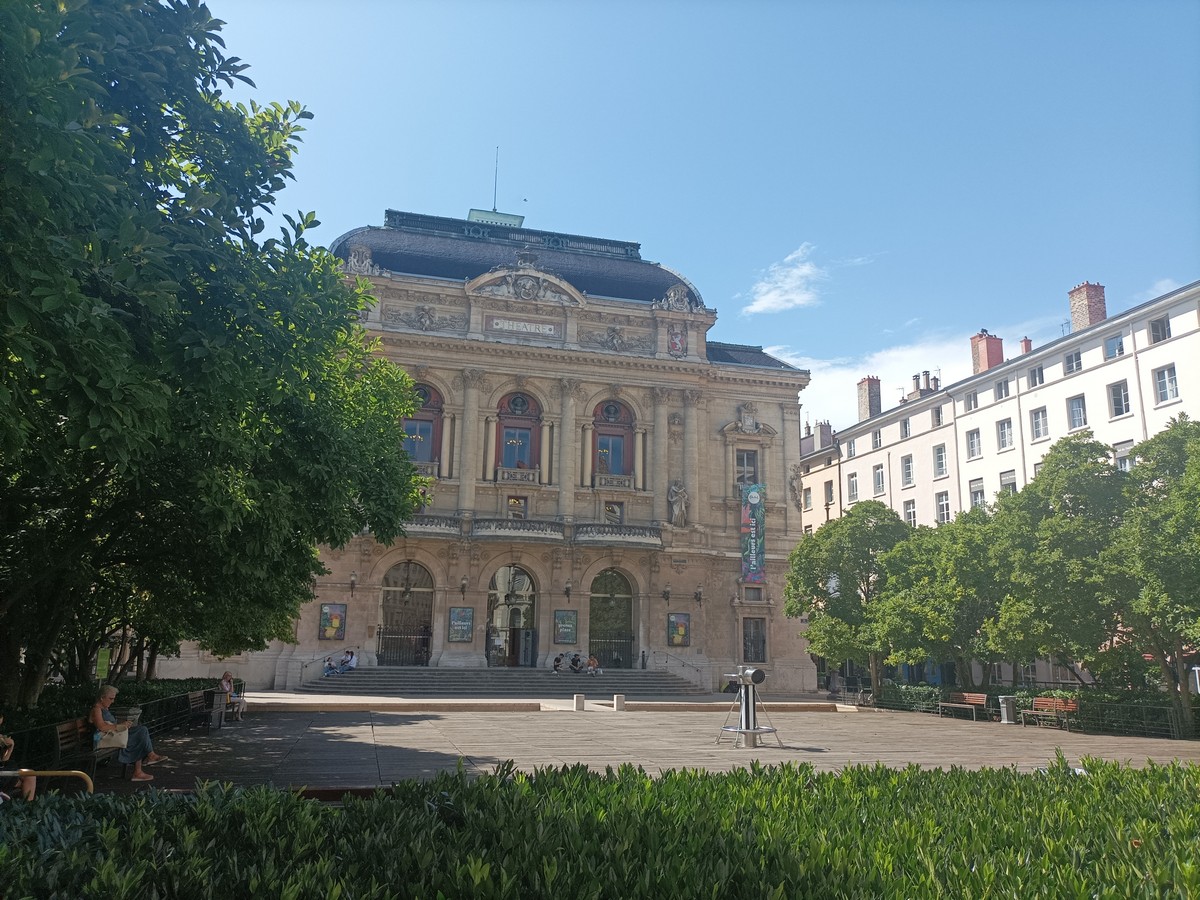
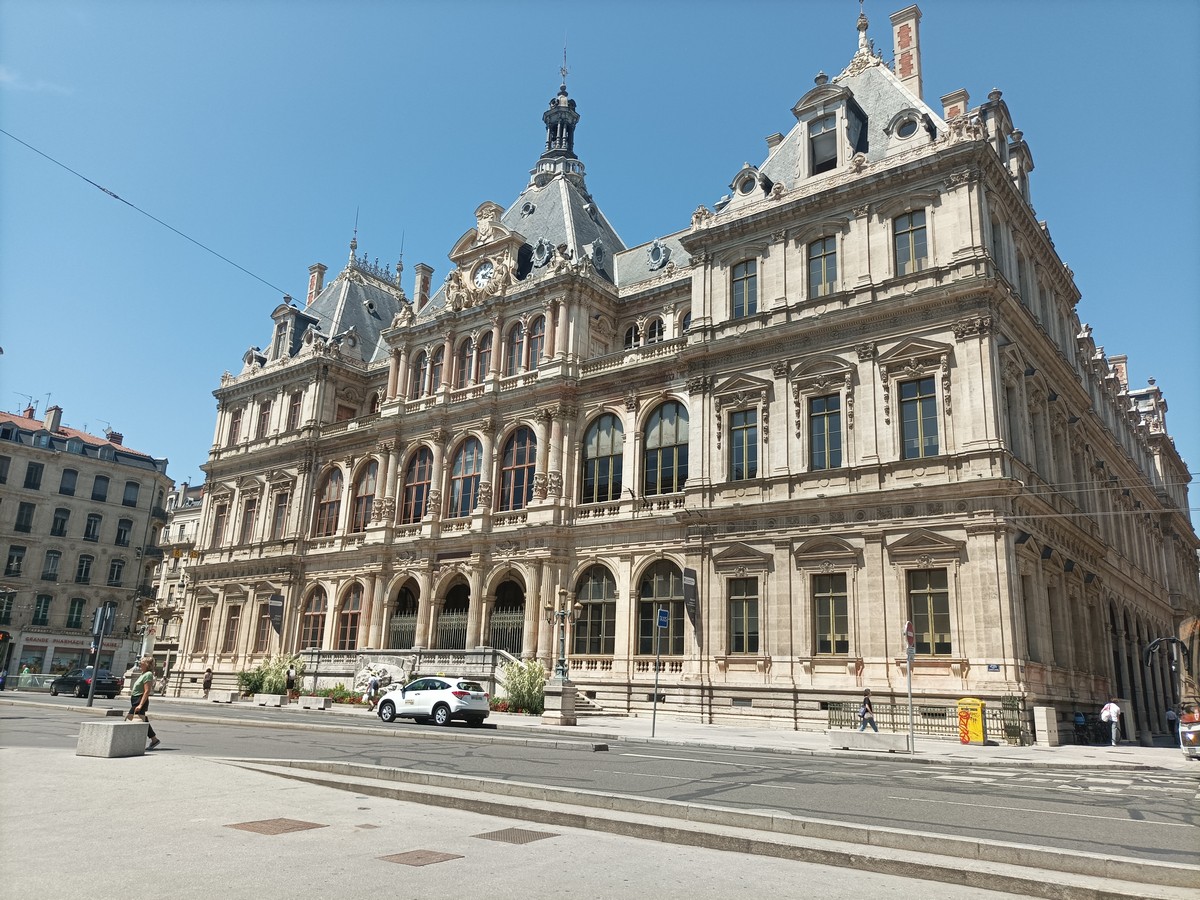
Legătura de pe râul Saone și Rhone din Lyon creează o peninsulă între cele două râuri în centrul orașului. Așa-numita Presqu’ile arată un model perfect de arhitectură imperială cu piețe nesfârșite și străzi masive.